
Is It Just Old Age? Identifying Arthritis and Mobility Issues in Senior Pets
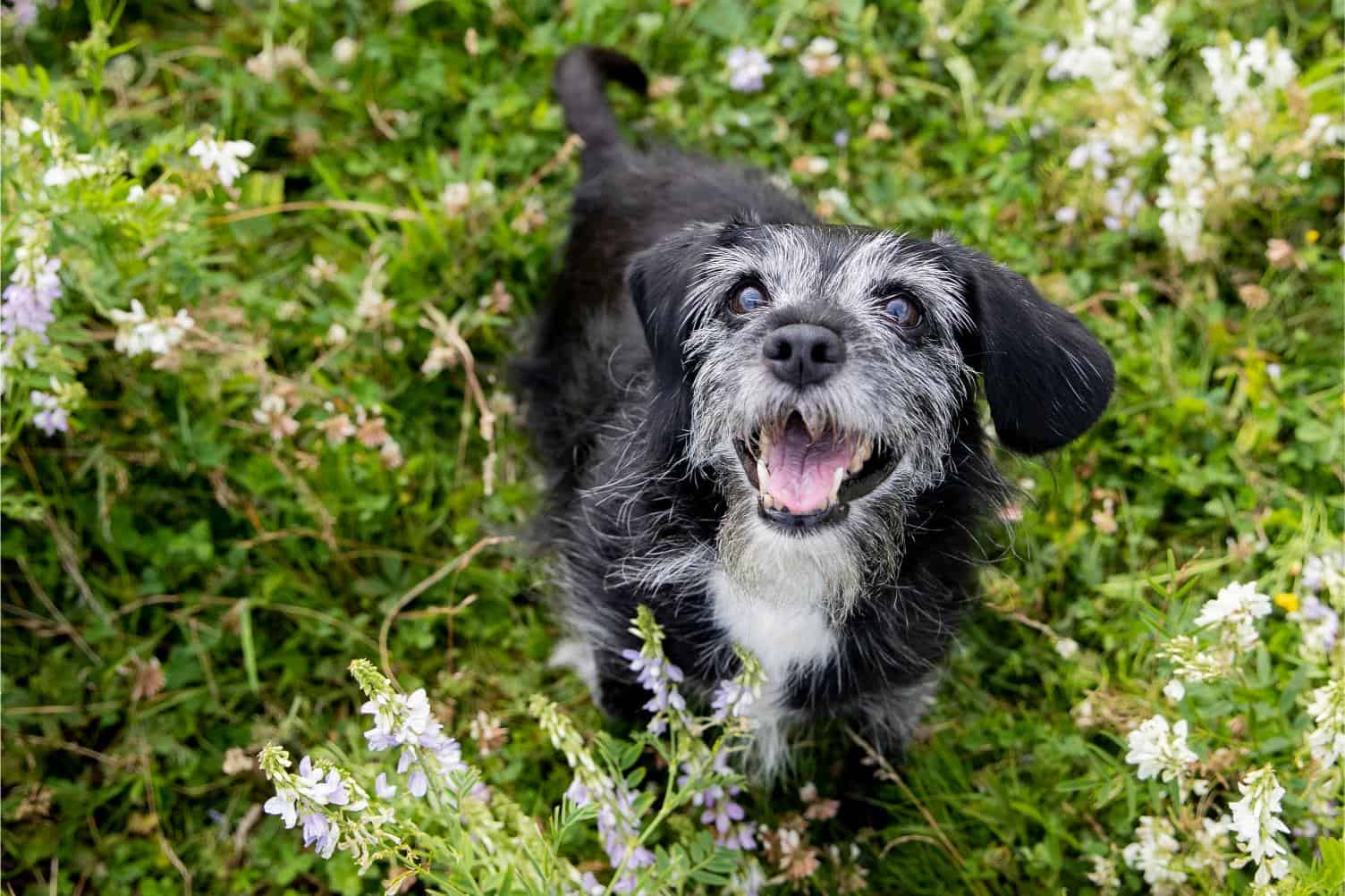
As our pets age, subtle changes can sneak in slowly. A once-nimble cat chooses the floor instead of jumping onto the couch, or a playful pooch suddenly seems reluctant to climb the stairs. It’s easy to dismiss these quiet shifts as “just old age,” but sometimes they point to something more specific—like arthritis or mobility issues.
In this blog, our team at Englishtown Vet MD sheds some light on dog and cat arthritis symptoms, so you can best support your furry friend’s health and happiness in their golden years.
The Silent Signs of Stiffness
Arthritis is one of the most common conditions affecting senior pets, yet it often goes unnoticed—especially in cats, who are masters of masking discomfort. Recognizing dog and cat arthritis symptoms early can make a meaningful difference.
Watch for signs such as:
- Hesitation to jump onto favorite surfaces
- Decreased activity or playfulness
- Stiffness after resting
- Changes in grooming habits
- Soiling inside the house or outside the litter box
- Slower walks or tiring sooner
Why Mobility Matters in Senior Dog Care
Maintaining movement is essential for your pet’s overall well-being. When joints become stiff and sore, pets move less, which can lead to muscle loss, weight gain, and a cycle of increasing discomfort.
That’s why both senior dog care and senior cat care need to address mobility. A pet who moves comfortably tends to enjoy better overall physical health and emotional well-being.
Keeping Aging Pets Active
The good news is that there are many ways to help pets stay active and comfortable.
Treatment options and accommodations may include:
- Weight management to reduce joint strain
- Joint supplements or medications
- Soft, supportive bedding
- Ramps or steps for easier access to favorite spots
- Gentle, regular exercise
For local pet parents seeking pet mobility NJ solutions, working closely with a trusted veterinary team ensures your pet gets personalized care tailored to their age, breed, and lifestyle.
When to Call Your Veterinarian
If you notice changes in your pet’s movement, behavior, or daily habits, it’s worth a conversation with your veterinarian. Early intervention can slow progression and significantly improve quality of life.
An experienced Englishtown veterinarian for older dogs and senior cats can evaluate your pet’s joint health, recommend treatment options, and help you create a care plan that keeps your pet comfortable and confident.
Aging Gracefully, Living Comfortably
Growing older doesn’t have to mean living with pain. With attentive observation and proactive care, you can help your pet enjoy their senior years to the fullest.
Call us today at (732) 786-8877 if you’d like more insight on senior dog care or dog and cat arthritis symptoms, or to schedule your pet’s examination.