
Why Is My Pet Tilting Their Head or Losing Their Balance?
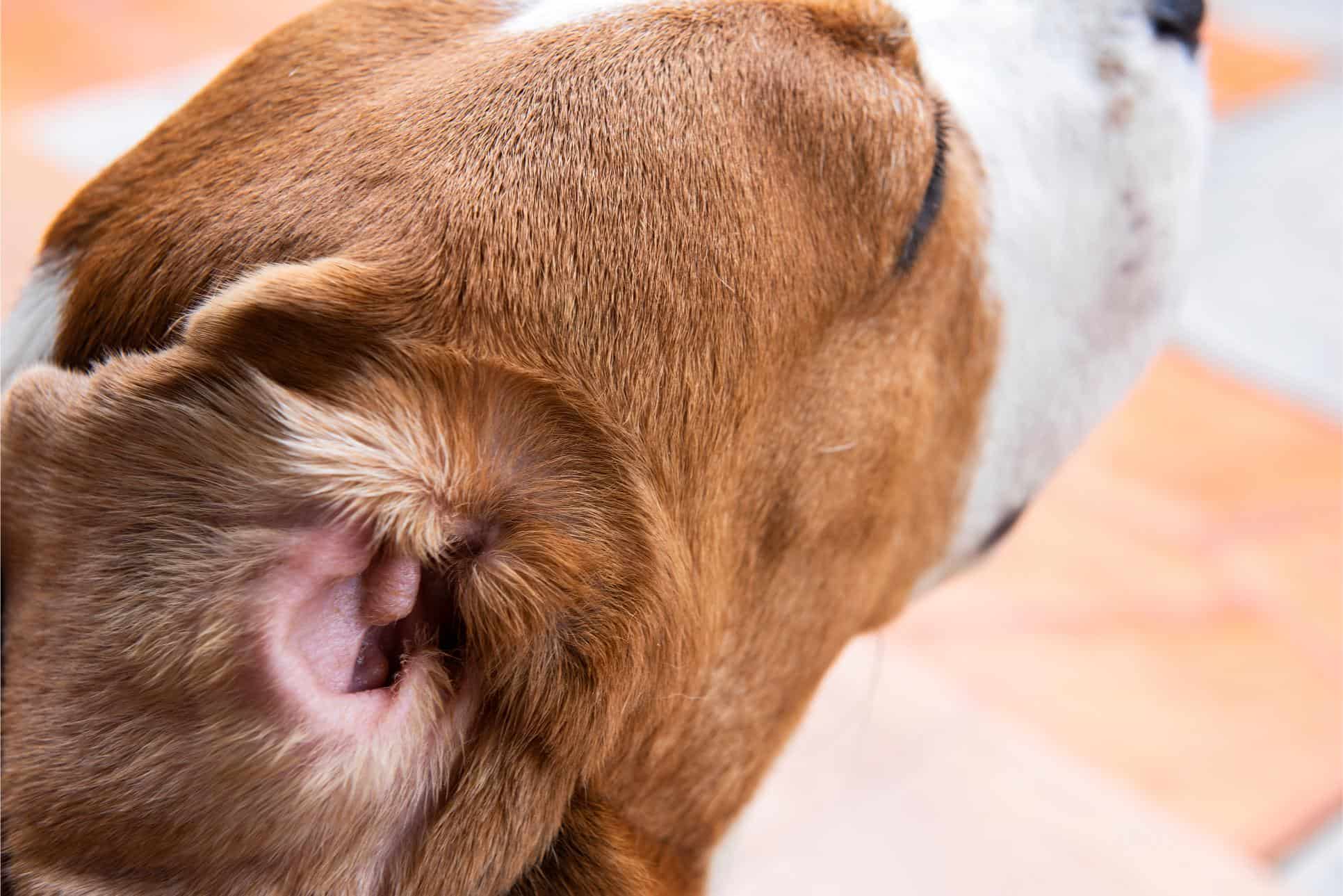
When your dog or cat starts walking as though the room is spinning, leaning to one side, or holding their head at an unusual angle, it’s a clear sign that something isn’t right. Problems affecting balance can have several causes, from ear infections to conditions involving the nervous system.
At Englishtown Vet MD in Englishtown, NJ, our team can evaluate these changes, determine their possible causes, and recommend appropriate next steps.
What Causes a Head Tilt in Pets?
A persistent head tilt in pets often points to a problem involving the vestibular system, which helps control balance and spatial orientation. This system includes structures in the inner and middle ear as well as parts of the brain.
When something disrupts the vestibular system, your dog or cat may seem dizzy, unsteady, or disoriented. Potential causes include ear infections, inflammation, trauma, certain medications or toxins, tumors, and neurologic conditions. In some cases, particularly in older dogs, vestibular signs can appear without an identifiable underlying cause.
Because many conditions can cause similar symptoms, a veterinary exam is important for determining what’s happening.
What Is Vestibular Disease?
Vestibular disease is a term used for conditions that interfere with the body’s balance system. It can affect dogs and cats, although sudden idiopathic vestibular syndrome is especially associated with older dogs.
In addition to a tilted head, signs may include:
- Stumbling, falling, or leaning to one side
- Walking in circles
- Rapid, involuntary eye movements called nystagmus
- Difficulty standing or walking
- Nausea or vomiting
- Reluctance to eat or drink
- Confusion or disorientation
These symptoms can look dramatic, especially when they appear suddenly. Some forms of vestibular disease improve significantly with supportive care and time, but similar signs can occur with more serious conditions. That’s why it’s important not to assume that your pet’s symptoms will resolve on their own.
Could an Ear Infection Cause Pet Balance Problems?
Yes. Middle or inner ear infections can interfere with the vestibular system and cause pet balance problems. An infection that begins in the outer ear may sometimes extend deeper into the ear.
Common dog ear infection symptoms can include scratching at the affected ear, frequent head shaking, redness, odor, discharge, and sensitivity around the ear. If deeper structures are affected, you may also notice a head tilt, circling, or difficulty maintaining balance.
Cats can develop ear infections and related balance problems, too. Your veterinarian may examine the ear canals and eardrums and recommend additional testing depending on your pet’s symptoms.
When Should I Call My Veterinarian About Balance Changes?
Contact your veterinarian when you notice a new or persistent head tilt, stumbling, circling, unusual eye movements, or other significant changes in coordination. Sudden or severe symptoms deserve particularly prompt attention.
Until your pet can be evaluated, help protect them from falls and injuries. Keep them away from stairs, slippery floors, pools, and furniture they could fall from. If they’re struggling to stand or walk, keep them in a safe, quiet area and assist them as needed.
Keep an Eye on Your Pet’s Overall Health
Not every balance problem can be prevented, but regular wellness care allows your veterinarian to monitor changes in your pet’s health and address concerns early. Wellness visits can include a nose-to-tail physical exam, as well as discussions about preventive care and diagnostic testing when appropriate.
If you’re looking for an Englishtown veterinarian to help keep your dog or cat feeling their best, Englishtown Vet MD is here for you. Call (732) 786-8877 to book your pet’s next appointment or discuss any new symptoms you’ve noticed.