
Why Does My Cat’s Hair Look Greasy? Causes, Care, and When to See the Vet
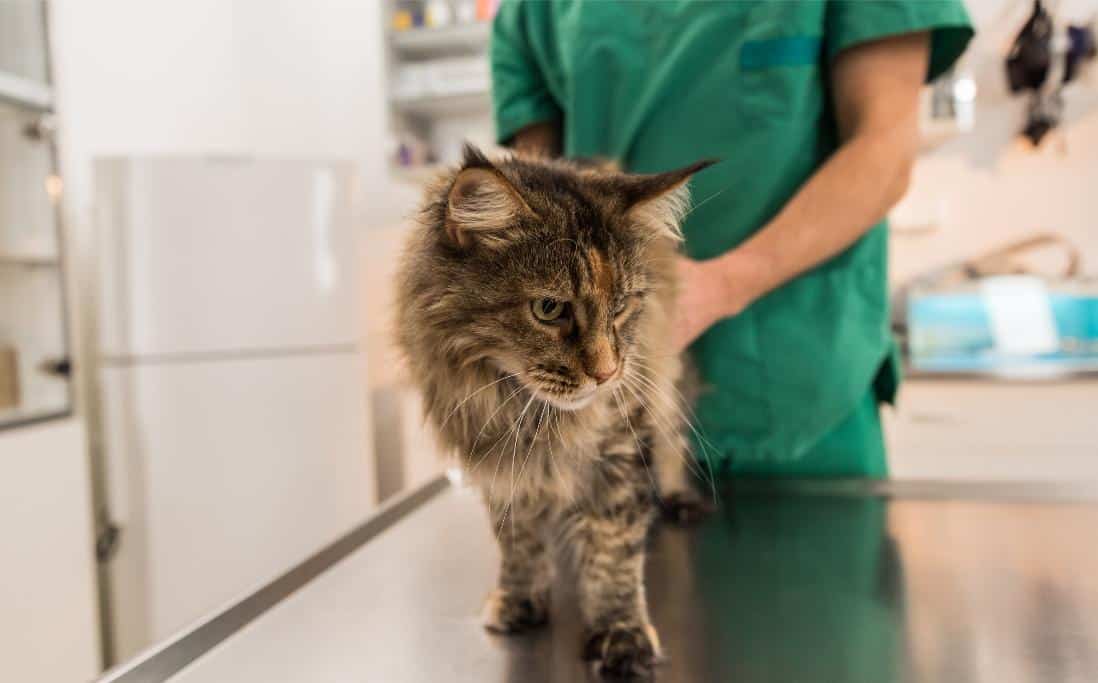
Cats are known for their meticulous grooming, which is why greasy fur can feel especially puzzling. If your usually pristine feline suddenly looks like they missed a memo on self-care, there may be more going on beneath the surface.
At Englishtown Vet MD, we often remind cat owners that coat changes are more than cosmetic. Your cat’s fur can offer important clues about their overall health.
Understanding what’s behind the grease can help you decide when a little extra at-home care is enough and when it’s time to call the vet.
What a Healthy Cat Coat Should Look Like
A healthy coat is a visible sign of good internal health. Most cats have fur that feels clean, smooth, and evenly distributed with a soft shine. Regular self-grooming keeps natural oils balanced, and the coat free of debris.
When cat coat health is compromised, you may notice changes such as excess oil, matting, flakes, or even thinning fur. These shifts often indicate that something in your cat’s routine or health has changed.
Common Reasons Your Cat’s Fur Looks Greasy
Greasy cat fur can develop for several reasons, ranging from harmless to more serious. It’s helpful to remember that cats rely heavily on self-grooming, and anything that interferes with that process can show up in their coat.
Below are some of the most common causes we see.
- Reduced grooming due to pain or stiffness: Arthritis, dental pain, or other discomfort can make bending and licking difficult, especially in older cats.
- Obesity or limited mobility: Cats carrying extra weight may struggle to reach certain areas for self-grooming, leading to oil buildup along the back or near the tail.
- Skin conditions or infection: Bacterial or yeast infections can cause excess oil production and changes in fur texture.
- Poor nutrition: Diets lacking sufficient protein and essential fatty acids or balanced nutrients may negatively affect skin and coat quality.
- Stress or environmental changes: Schedule changes, new environments, or household stress can alter grooming habits.
While one of these factors may be at play, greasy fur is often the result of multiple overlapping issues.
Areas Where Grease Is Most Common
Oily fur doesn’t always affect the whole body. Many cats develop greasy patches in specific areas. These commonly include the lower back, base of the tail, and along the spine. Because these spots are harder to reach or groom thoroughly, oil buildup is more likely to occur there.
If the grease is localized and mild, monitoring at home may be appropriate. If it spreads, worsens, or comes with other symptoms, further evaluation is important.
At-Home Care Tips for Mild Greasiness
For cats who are otherwise healthy and acting normally, a few gentle steps may help support better coat health.
Before trying anything new, make sure your cat tolerates handling well and isn’t showing signs of pain.
- Regular brushing to remove excess oils and loose fur
- Feeding a complete, balanced diet formulated for cats
- Reducing environmental stressors when possible
- Monitoring weight and mobility over time
If the grease improves with these steps, it may have been a temporary grooming disruption. If not, it’s time to look deeper.
When Greasy Fur Is a Reason to See the Vet
If your cat’s coat continues to look greasy even with attentive care, a veterinary wellness exam can help pinpoint what’s going on. Greasy fur combined with lethargy, weight changes, skin odor, hair loss, or behavioral changes deserves prompt attention.
Underlying conditions such as hormonal disorders, chronic pain, or skin disease often require medical treatment to fully resolve coat changes.
Schedule a Wellness Visit for Your Cat
If greasy cat fur has you concerned, the best next step is a professional evaluation. Call us at (732) 786-8877 to schedule a wellness visit. Our team takes the time to understand your cat’s unique needs and support long-term cat coat health from the inside out.