
When Was the Last Time You Cleaned Your Pet’s Bed?
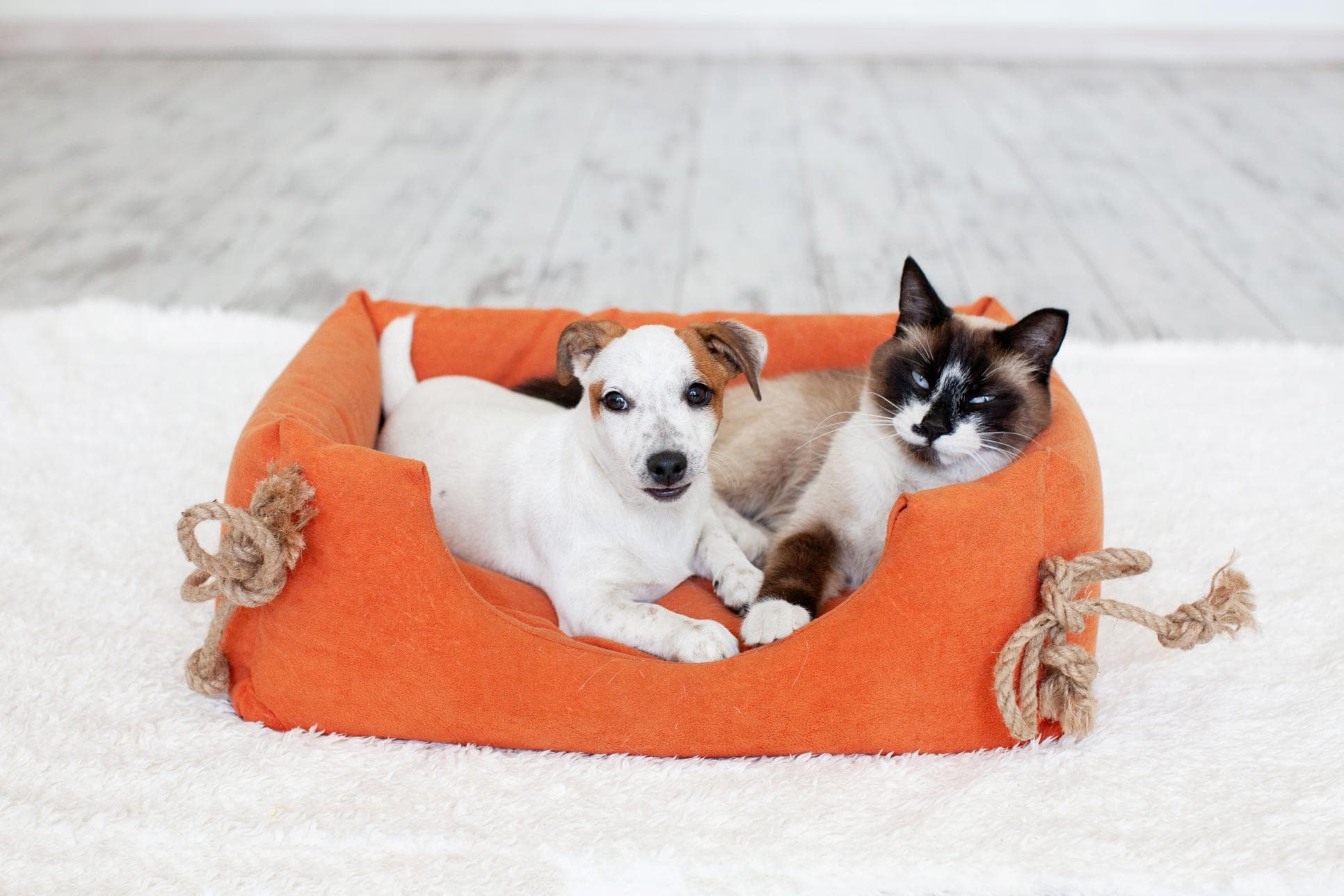
Your pet’s bed may be their happy place—the cozy spot where they curl up after a long walk or nap after zooming around the house. But here’s the not-so-cozy truth: that fluffy nest may also be home to dirt, hair, fleas, and allergens that can affect your pet’s (and your family’s) health.
At Englishtown Vet MD, we know that keeping your pet healthy goes beyond vaccines and checkups. It’s also important to maintain a clean, comfortable home environment. So, when was the last time you washed that bed? If it’s been more than a week or two, it might be time for a refresh.
Why a Dirty Dog Bed Is a Big Deal
A dirty dog bed doesn’t just look or smell bad. It can become a breeding ground for bacteria, fungi, and parasites. Your pet’s skin oils, saliva, and shedding hair mix with dust and moisture, creating the perfect storm for germs to thrive.
Here’s what can lurk in unwashed pet bedding:
- Fleas and ticks: These pests love warm, soft fibers and can easily hide in the seams of your pet’s bed, ready to re-infest even after you’ve treated your pet.
- Allergens: Dust mites and dander accumulate quickly, especially if your pet sleeps in your bedroom. These can aggravate allergies and respiratory symptoms for both pets and people.
- Zoonotic diseases: Some bacteria and fungi from pet bedding, such as Salmonella and particular Staphylococcus species, can be transmitted from animals to humans. These zoonotic diseases are preventable with regular cleaning.
Regular washing helps protect your household from these invisible invaders and keeps your pet’s resting spot as healthy as the rest of their environment.
How Often Should You Wash It?
How frequently you wash your pet’s bed depends on your pet’s habits, health, and coat type. As a general rule:
- Weekly: If your pet sheds heavily, spends time outdoors, or has allergies
- Every two weeks: For indoor pets with minimal shedding
- Immediately: After accidents, illness, or a flea infestation
You can also vacuum or lint-roll the bed between washes to control fur buildup and odor. If your washing machine has a pet-hair cycle or self-cleaning feature, run it after washing the bed to prevent clogs.
Simple Steps to Keep Your Pet’s Bed Fresh
Washing a pet bed doesn’t have to be a chore. Most beds are machine washable, but always check the care tag first.
Here’s a quick cleaning routine:
- Shake or vacuum to remove loose hair and dirt.
- Spot clean stains with a pet-safe enzyme cleaner before washing.
- Remove the cover (if applicable) and wash separately in warm water with a fragrance-free, pet-safe detergent.
- Wash the inner cushion by hand or in a machine, if allowed. Adding a cup of white vinegar can help neutralize odors.
- Dry thoroughly, preferably in the sun, to prevent mold and mildew.
For beds that can’t go in the washer, use a mild detergent and warm water to scrub the surface, rinse thoroughly, and air dry.
Keeping your pet’s bed clean reduces the risk of fleas and allergens and helps keep your pet healthy. It also extends the life of the bed, saving you money over time.
When It’s Time for a New Bed
Even the cleanest beds don’t last forever. If your pet’s bed stays smelly after washing, looks flat and lumpy, or shows signs of wear (like torn fabric or exposed stuffing), it’s time for a replacement.
When shopping for a new one, look for:
- Removable, machine-washable covers
- Waterproof liners to protect the filling
- Durable materials that hold up to washing and daily use
Investing in a washable, high-quality bed will make it easier to keep your pet’s sleeping space hygienic and cozy for years to come.
Keep Your Pet Healthy and Happy
A clean bed is a simple but important part of preventive wellness care, just like regular vet visits, vaccinations, and parasite control. If you notice ongoing odor, itching, or skin irritation despite good hygiene, it might be time for a checkup to rule out allergies or underlying infections.
For personalized advice on your pet’s health and comfort, contact our team at (732) 786-8877. We’re here to help you keep your furry family member feeling their best from nose to tail.