
Signs Your Senior Dog May Be in Pain
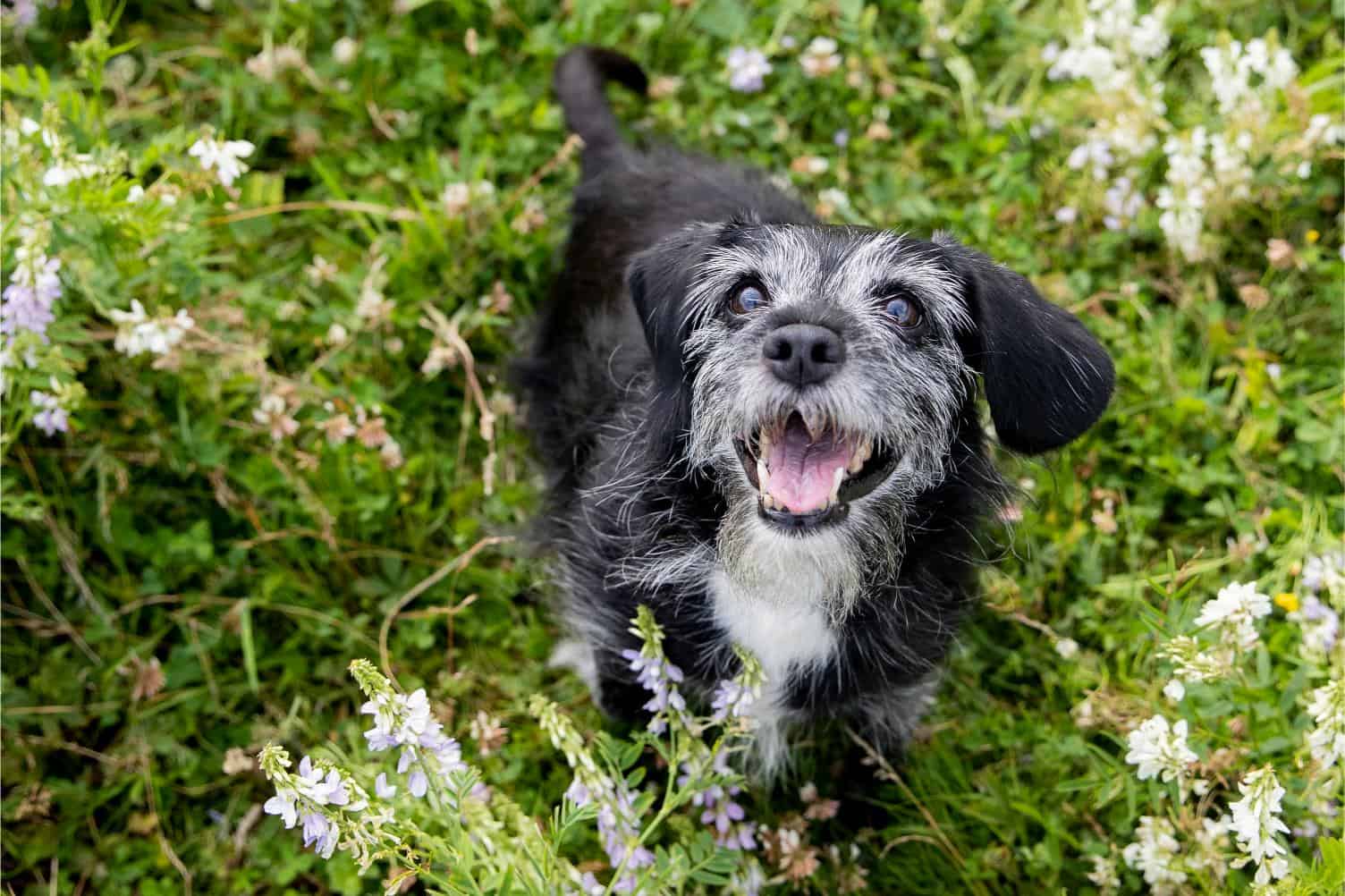
As our beloved canines grow older, they might move slowly and stiffly. But many pet parents wonder if their senior dogs are in pain. How can we know the difference between normal, age-related stiffness and discomfort that could benefit from treatment and pain management therapies?
The team at Englishtown Vet MD is here to help you identify signs that your senior dog is in pain.
How to Tell If a Dog Is in Pain
It can be challenging to tell when dogs are in pain—especially senior dogs. The howly, yowly, dramatic days of puppyhood are long gone.
So instead of looking for obvious signs of pain, look at changes in your dog’s mobility and behavior instead. Some common signs a senior dog is in pain include:
- Reluctance to jump onto previously beloved furniture—or into the car
- Difficulty climbing up or down the stairs
- Sleeping or resting more than usual
- Taking a long (and painful-looking) time to stand up, especially in the morning
- Lagging behind on a daily walk or refusing to exercise at all
- Irritability or withdrawal from normal social activities
- Excessive licking of limbs and joint areas
Many pet parents assume these symptoms are just regular signs of aging. But they’re not. Pain, in itself, is not a normal or inevitable part of growing older. Veterinarians have plenty of tools at our fingertips to help ease your pet’s transition into the golden years of life.
So, if your old dog is limping or sleeping more or just having trouble navigating your home, it’s time to pay attention.
Dog Arthritis Symptoms
Arthritis is one of the most common causes of dog joint pain in older pets. Arthritis develops when your pup’s joint cartilage slowly deteriorates. Without cartilage to protect the joints, inflammation, stiffness, and weakened mobility are the result.
Common signs of dog arthritis include stiffness after resting, loss of muscle in the limbs, lagging behind on walks, and trouble navigating slippery floors.
Remember: many dogs keep trying to participate in normal activities even while they’re uncomfortable. At the first sign of a limp or stiff limb, take your senior sweetheart to get checked out.
Treatment for Pain and Senior Dog Mobility Issues
Here’s the good news: treatment options for arthritis and other causes of pain in senior dogs have improved a ton, even in the past 10 years. We recommend a multi-modal approach to pain relief that includes:
- Weight management, including medicated diets if needed
- Physical rehabilitation
- Laser therapy and other alternative pain management techniques
- Joint-supporting supplements
- Prescription medications
The experienced team at Englishtown Vet MD is skilled in helping treat pain in senior pets. Learn more about the services we offer to help manage pain by calling us at (732) 786-8877 today.