
Diagnosing the Stages of Pet Dental Disease
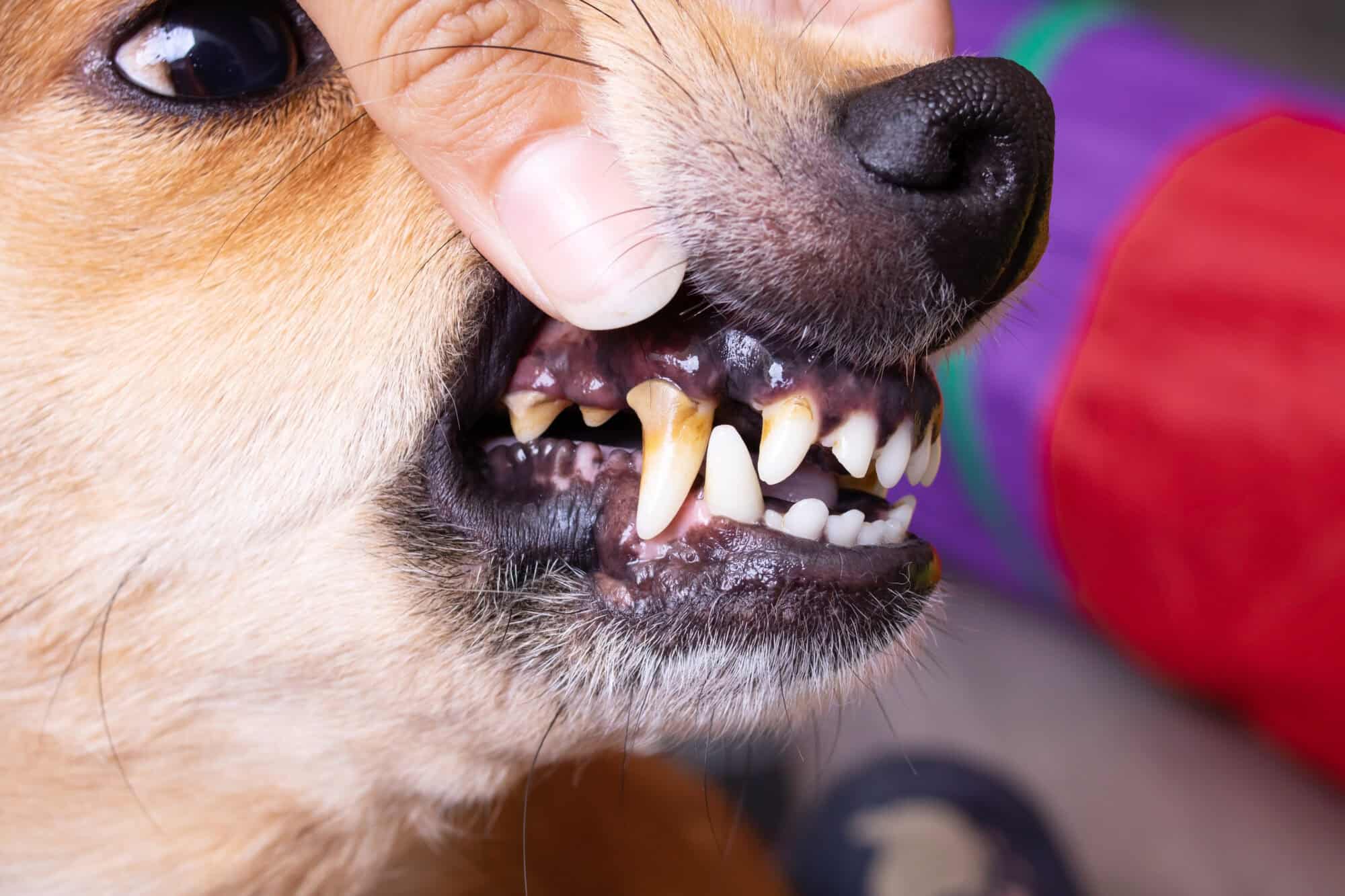
Dental disease is an extremely common problem for pets. In most instances, it is a health issue that is completely preventable. A pet dental disease, also known as periodontal disease, is present in about 85% of pets by the time they reach age 4.
Although it is a common issue, many pet owners are oblivious to the problem until the disease has progressed. Visible periodontal disease means pain, infection, risk of tooth loss, and bacteria potentially affecting internal organs through the bloodstream.
At Mobile Pet M.D., we prioritize dental health to help prevent serious issues before they begin.
The Four Stages of Pet Dental Disease
Pet dental disease can be broken down into the following four stages:
Stage 1: Gingivitis, inflammation of the gums caused by repeated exposure to bacteria and tartar. If properly addressed, gingivitis can be reversed before it advances further.
Stage 2: Early periodontitis with up to 25% bone loss, typically visible on X rays. This stage might come with bad breath, red gums, and visible plaque and tartar.
Stage 3 – Occurs when the dental disease progresses far enough that it will cause significant bone loss (25-50%). Gums will be redder and more swollen, and the teeth might start to detach from the gums. Pets with Stage 3 dental disease cause significant pain for the pet and will most likely lead to surgery.
Stage 4 – This final stage is by far the most severe and will eradicate more than 50% of the bone. Pets in the final stage face high risk of systemic infection and organ damage from bacteria entering the bloodstream.
Preventing and Treating Pet Dental Disease
With the proper care and regular dental visits with your veterinarian, you can prevent oral health issues before they begin. At-home care paired with thorough examinations helps us work together to keep your pet’s mouths free of potentially dangerous dental disease.
Regularly brushing your pet’s teeth is very important when it comes to avoiding oral health issues. The earlier you can start to brush your pet’s teeth, the better, but even if you start later in life, it can help improve overall dental health.
If you have any questions or would like to schedule a dental appointment, please don’t hesitate to give us a call. Your team at Mobile Vet, M.D. is here for you and your pet.
Please note: Before any visit, it is always a good idea to confine your pet to a small area such as a bathroom so we can be sure to promptly provide care, as lots of pets can go running for cover as soon as they hear someone at the door!