
Why Your Pet Acts Completely Different at the Veterinary Hospital
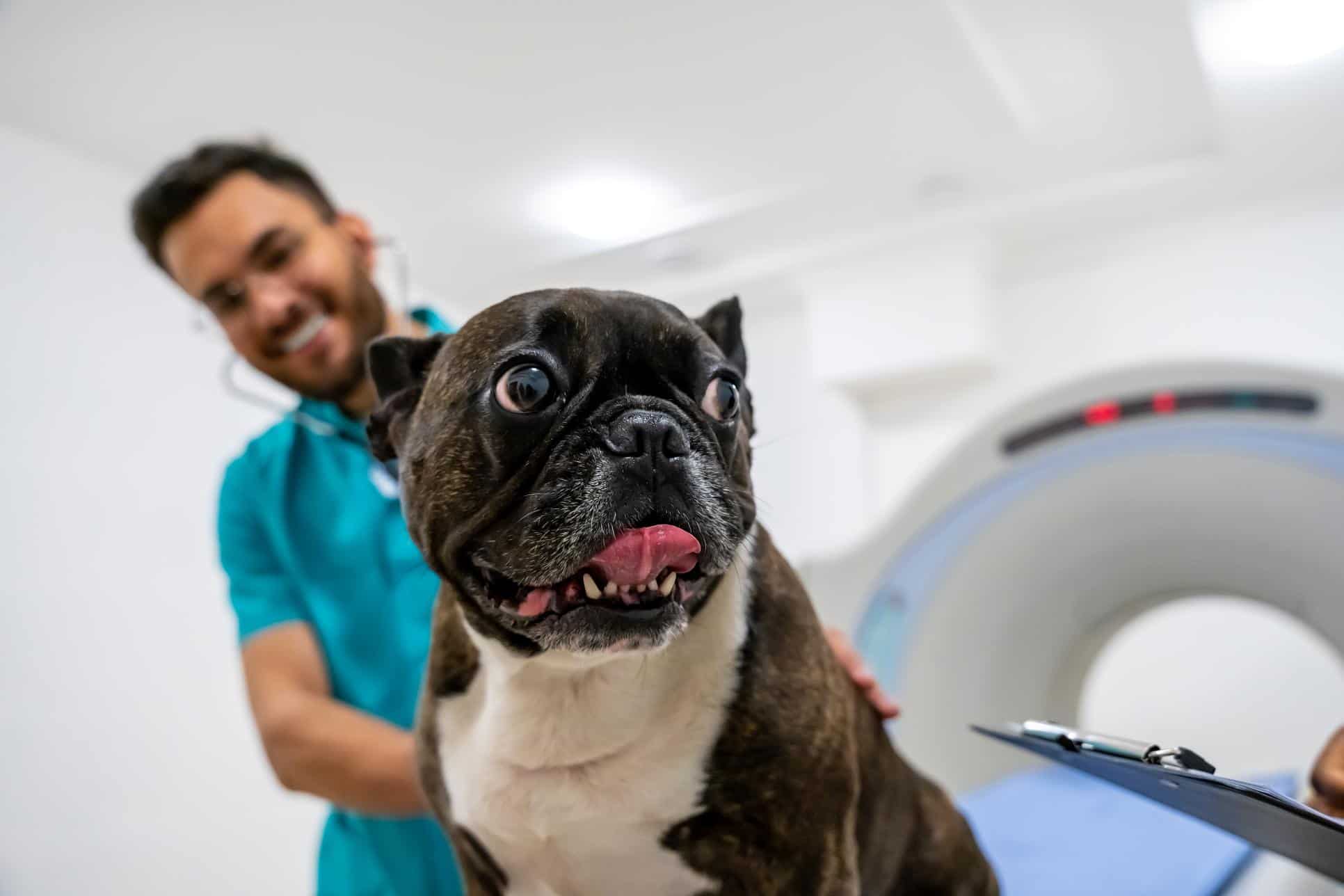
Pets have a funny way of keeping us guessing. One minute they are happy, playful, and soaking up belly rubs at home. The next, they walk into the veterinary hospital and suddenly become nervous, clingy, or even a little dramatic. If you’ve ever wondered why your sweet companion seems like a completely different pet during an appointment, you’re not alone. Pet stress at the veterinarian is incredibly common; communicating with your veterinarian and understanding what’s happening can help make every visit easier for everyone involved.
Why the Veterinary Hospital Feels So Different
Your pet experiences the world very differently than you do. Instead of relying mostly on sight, they gather information through smell, sound, and instinct. A veterinary hospital is filled with unfamiliar scents, strange noises, and other animals who may also be feeling anxious. That’s a lot to process all at once.
Even pets that are perfectly calm at home can experience veterinary anxiety in a clinical setting. They are not trying to misbehave or embarrass you. They are simply reacting to an environment that feels unfamiliar and unpredictable.
Common triggers include:
- New sights, sounds, and smells
- Previous medical experiences
- Being around unfamiliar people and animals
- Slippery floors or cold exam tables
- Separation from their favorite person during procedures
Every pet reacts differently, and that’s perfectly normal.
Common Stress Responses You Might Notice
Just because your pet isn’t barking, growling, or hiding doesn’t mean they aren’t feeling stressed. Animals often communicate anxiety in subtle ways that are easy to miss.
Stress responses include:
- Trembling or shaking
- Excessive panting
- Hiding behind their owner
- Lip licking or yawning
- Refusing treats
- Dilated pupils
- Vocalizing more than usual
- Becoming unusually quiet
These behaviors are your pet’s way of letting you know they’re feeling insecure.
Why Their Personality Seems to Change
One of the most surprising behavior changes that owners notice is how different their pet acts during an exam. A dog who greets everyone at the park may suddenly become shy. A cuddly cat may begin to hiss when handled.
This happens because stress activates your pet’s natural survival instincts. When they feel uncertain, they are focusing on staying safe instead of simply having fun. Once they’re back home in a familiar environment, most pets quickly return to their usual happy selves.
The good news is that many veterinary teams use gentle handling techniques to help reduce fear and build trust during visits.
Helping Your Pet Feel More Comfortable
While some nervousness is normal, there are simple things you can do to make appointments less stressful.
Tips for your next visit:
- Bring your pet’s favorite blanket or toy
- Practice short car rides
- Reward calm behavior with treats and praise
- Stay relaxed, because pets often pick up on your emotions
Ask your veterinary team about scheduling quieter appointment times if your pet is especially anxious. With patience and positive experiences, many pets become much more comfortable over time. Baby steps really do make a big difference.
Partner With a Veterinarian Who Understands Your Pet
If your furry family member struggles with pet stress at the veterinarian, you’re not alone. At Englishtown Vet MD, our compassionate team understands how anxiety affects pets and works hard to create a calm, welcoming experience for every patient.
Whether you’re visiting for a wellness exam, vaccinations, or medical care, we’re here to support your pet’s physical and emotional well-being every step of the way. After all, a little kindness, a few treats, and lots of patience can go a long way toward helping pets remain calm.